Company news
Blood Bank Self-Check-In Healthcare Medical Kiosks: Innovative Practices and Core Values of Basic Screening
In modern healthcare systems, blood safety is a crucial cornerstone for safeguarding public health. The integrated Self-Check-In Healthcare Medical Kiosks at blood banks, as a key screening device before blood collection, integrates multiple basic testing functions to achieve rapid assessment of donor health, building the first line of defense for blood safety. The application of Self-Check-In Healthcare Medical Kiosks not only optimizes traditional screening processes but also demonstrates significant advantages in improving testing efficiency and ensuring blood safety, making it an indispensable core device in the standardized construction of blood banks.
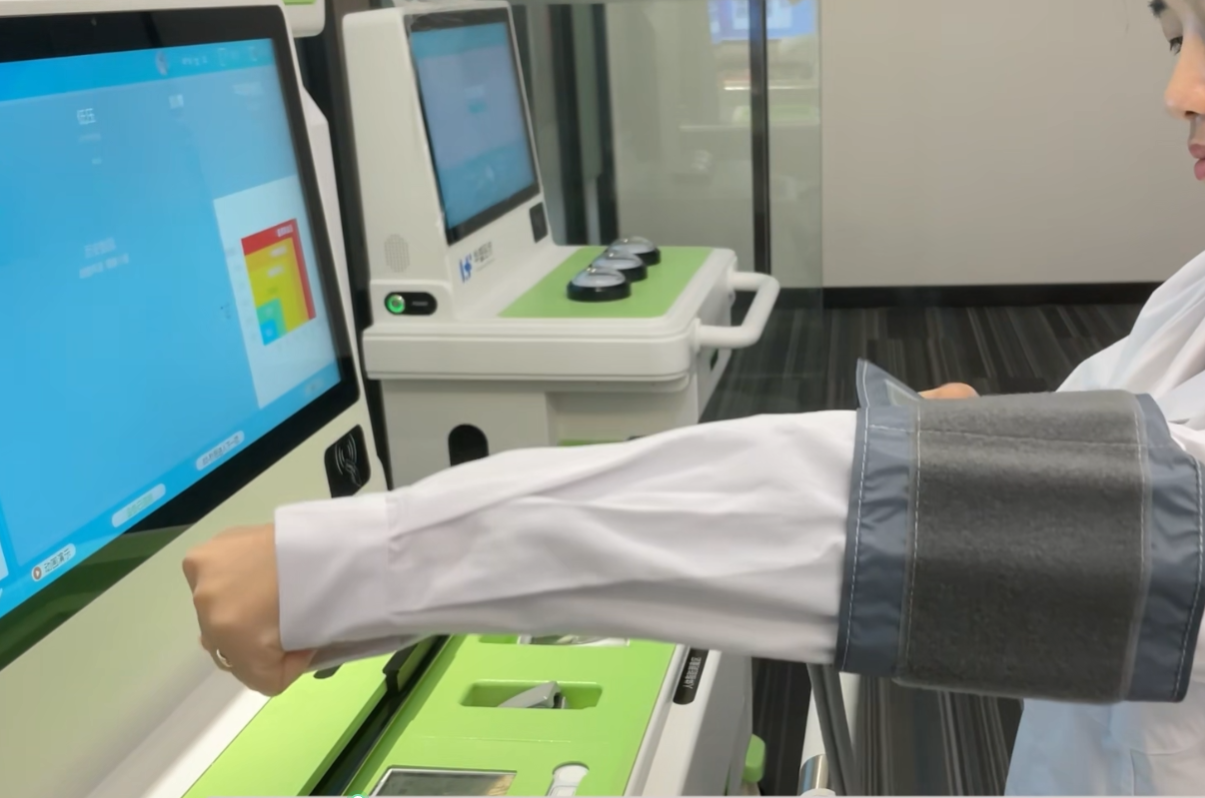
The Basic Screening Implementation Path of the Integrated Self-Check-In Healthcare Medical Kiosks: The integrated Self-Check-In Healthcare Medical Kiosk integrates multiple testing functions through a modular design, enabling rapid collection of basic physiological indicators such as height, weight, blood pressure, blood oxygen saturation, and hemoglobin levels after the donor enters the station. The built-in intelligent detection module employs advanced technologies such as optics and electrochemistry to ensure the accuracy and stability of data collection. For example, hemoglobin testing, using non-invasive or minimally invasive methods, can produce results within 30 seconds, avoiding the cumbersome sample processing procedures of traditional testing. Meanwhile, the health kiosk is equipped with a touch-screen interface, allowing blood donors to independently enter their information. The system automatically uploads the data to the blood bank management platform, enabling real-time analysis and archiving of screening results, which significantly shortens the screening time per person.
The Necessity of Using Integrated Self-Check-In Healthcare Medical Kiosks
With the development of voluntary blood donation, the number of blood donors is increasing year by year, and traditional manual screening methods can no longer meet the demand for efficient and accurate testing. The introduction of integrated Self-Check-In Healthcare Medical Kiosks first solves the problems of high labor costs and inconsistent testing standards. In traditional screening, medical staff need to manually record multiple indicators, which is prone to data errors due to differences in operation; while integrated Self-Check-In Healthcare Medical Kiosks ensure the objectivity and consistency of data through automated testing. Secondly, integrated Self-Check-In Healthcare Medical Kiosks can quickly identify people who do not meet the blood donation criteria, such as those with anemia, hypertension, or other potential health risks, reducing the collection of unqualified blood from the source and reducing the pressure and cost of subsequent blood testing. In addition, in the event of a public health emergency or large-scale blood collection activities, the efficient screening capabilities of integrated Self-Check-In Healthcare Medical Kiosks can significantly improve the efficiency of emergency blood collection and ensure the timely supply of blood for clinical use.
The Core Advantages of Integrated Self-Check-In Healthcare Medical Kiosks
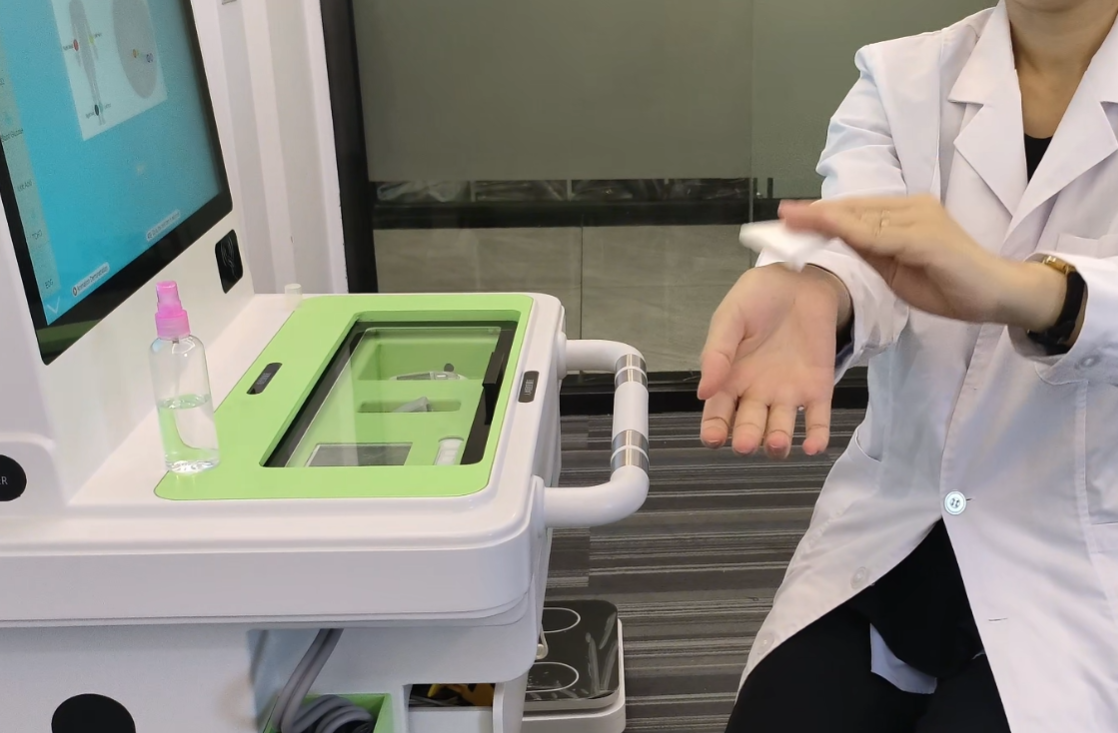
The advantages of integrated Self-Check-In Healthcare Medical Kiosks are reflected in multiple dimensions. First, efficiency. A single integrated Self-Check-In Healthcare Medical Kiosks can complete basic screening for 30-40 people per hour, improving efficiency by more than 50% compared to the traditional manual mode, and is especially suitable for large-scale collective blood collection scenarios such as universities and enterprises. Secondly, accuracy. The equipment uses medical-grade sensors and algorithms, with the error rate of various detection indicators controlled within ±2%, meeting the requirements of national blood bank technical operating procedures. Thirdly, convenience. The equipment is compact and can be flexibly deployed in mobile blood collection vehicles or fixed blood collection points, supporting offline operation and data synchronization, adapting to the needs of different blood collection environments. Fourthly, intelligence. The integrated Self-Check-In Healthcare Medical Kiosk has data statistical analysis functions, which can generate blood donor health trend reports, providing data support for blood banks to develop personalized blood donor management plans. Fifthly, safety. The equipment uses disposable testing consumables to avoid the risk of cross-infection, and has passed biosafety certification to ensure the compliance of the testing process.
In practical applications, the integrated Self-Check-In Healthcare Medical Kiosk has become an important tool for blood banks to improve service quality. For example, after a provincial blood center introduced the machine, the average waiting time for blood donors was reduced from 25 minutes to 12 minutes, demonstrating the machine's positive role in optimizing the blood collection process and ensuring blood safety. With continuous technological advancements, the machine will integrate more testing items, such as rapid infectious disease screening and preliminary blood typing, further expanding its application scope.
The widespread adoption of the integrated Self-Check-In Healthcare Medical Kiosk is not only an inevitable trend in the informatization and intelligentization of blood banks, but also a concrete manifestation of the "donor-centered" service philosophy. Through technological innovation, the machine provides a solid guarantee for the sustainable development of voluntary blood donation, ensuring that every donation of blood can withstand safety scrutiny. In the future, with the deepening of smart healthcare, the integrated Self-Check-In Healthcare Medical Kiosks will play an even more important role in blood safety management, contributing to the building of a healthy China.
Categories
Latest News
- Integrated Health Machine: Reshaping the Smart Service Ecosystem of TCM Wellness Centers
- Integrated Health Management Kiosk: The Core Engine for Pharmacy Transformation into Smart Health Services
- Blood Bank Self-Check-In Healthcare Medical Kiosks: Innovative Practices and Core Values of Basic Screening
- A New Line of Defense for Campus Health: The Value and Advantages of the Integrated Health Kiosk
- AI Evaluation Self Service Tele-Health & Tele-Medicine Health Kiosk: An Innovative Engine for Insurance Company Marketing and Member Services
Contact Us
Company: Shenzhen Huasheng Medical Technology Co., Ltd.Contact: Miss Wang
Tel: +86 159 8911 4474
WhatsApp 1: +86 177 2472 6642
WhatsApp 2: +86 198 6570 7933
Email: wincywang@hsyil.com
Address: Room 406, Danfeng Technology Building, Building 2, Chaguang Village Industrial Park, Shuguang Community, Xili Street, Nanshan District, Shenzhen
 Tel:
Tel: