Company news
Cloud Management Innovation and Practice of Diagnostic Medical Self Service Tele-Medicine Kiosk in the 5G Era
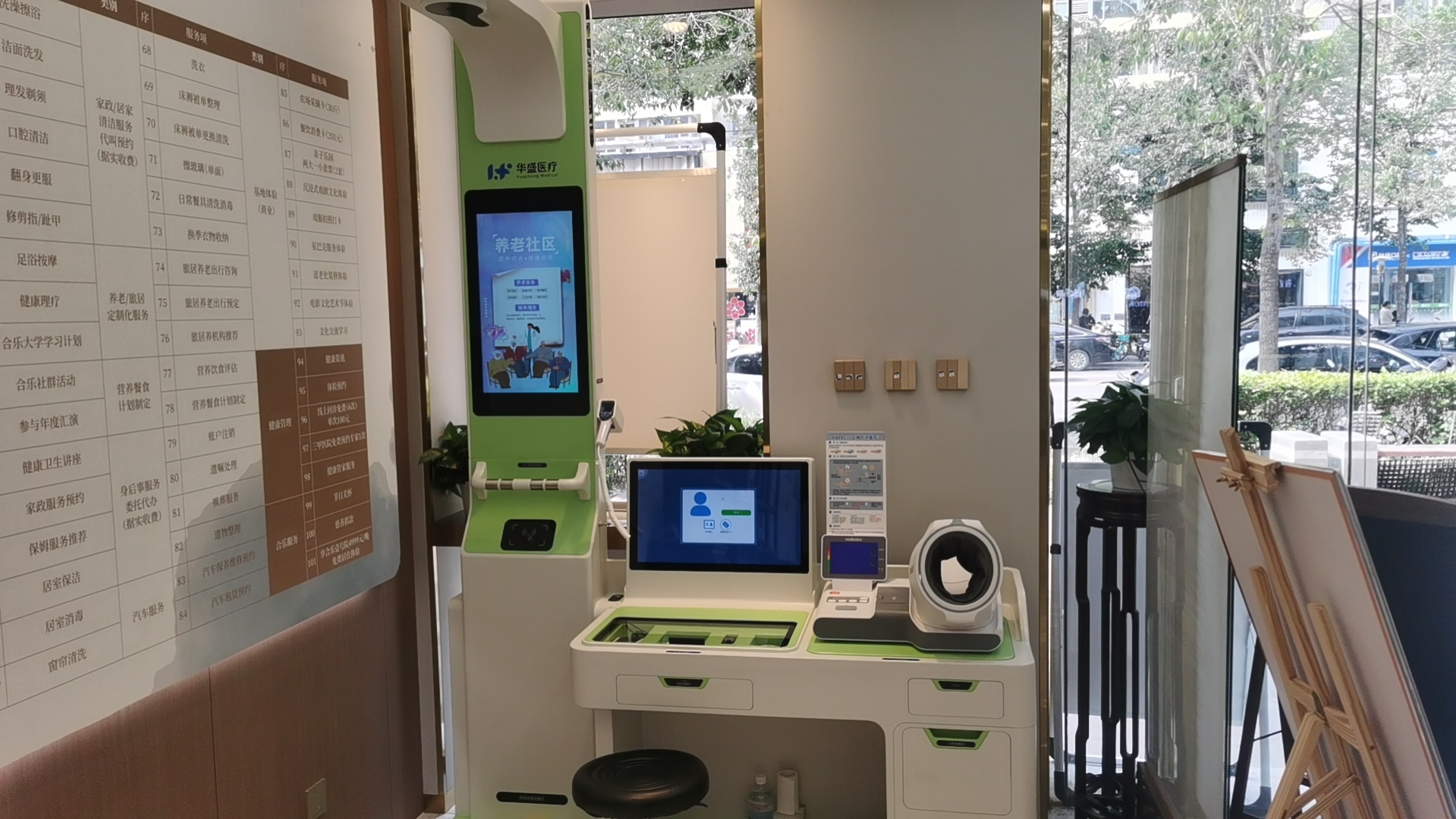
Against the backdrop of the deep integration of 5G internet technology and the healthcare industry, Diagnostic Medical Self Service Tele-Medicine Kiosks, as a key carrier connecting primary healthcare with cloud services, are achieving functional restructuring and value upgrades through cloud management. These kiosks integrate multiple monitoring modules, including height, weight, blood pressure, blood sugar, and electrocardiogram monitoring. Leveraging the low latency and high bandwidth of 5G, they synchronize real-time health data to a cloud platform, constructing a smart health management system covering the entire process of "detection-analysis-intervention-follow-up." This innovative model not only breaks through the time and space limitations of traditional medical services but also demonstrates significant advantages in areas such as chronic disease management, public health prevention and control, and optimization of primary healthcare resources.
The core advantages of cloud management: Data-driven precision health services. The cloud management of the Diagnostic Medical Self Service Tele-Medicine Kiosk reshapes the health service model through three major advantages:
First, real-time and continuous data.
Device data is instantly uploaded to the cloud via 5G network, allowing doctors to view dynamic indicators such as blood pressure fluctuations and blood sugar trends in real time, avoiding the lag and errors of traditional paper records. For example, after community residents complete a self-service physical examination through the Diagnostic Medical Self Service Tele-Medicine Kiosk, the data is synchronized to the family doctor platform, and doctors can immediately generate a health assessment report, achieving efficient "testing as diagnosis" service.
Second, cross-scenario data interconnection. The cloud platform breaks down data silos between hospitals, communities, and families. The basic data collected by the Diagnostic Medical Self Service Tele-Medicine Kiosk seamlessly connects with hospital electronic medical records, medical insurance systems, and chronic disease management databases, providing doctors with a comprehensive health profile. For example, the Huasheng Medical HS-V600 Diagnostic Medical Self Service Tele-Medicine Kiosk supports standardized interface integration, allowing data to be synchronized to the county-level comprehensive health management platform, facilitating the overall planning of regional health resources.
Third, AI intelligent analysis empowerment. The cloud-based system, equipped with machine learning algorithms, performs trend analysis on historical data from the Diagnostic Medical Self Service Tele-Medicine Kiosk, providing early warnings of potential health risks. For example, for patients with hypertension, the system can predict peak blood pressure periods using continuous blood pressure data and automatically push medication and dietary recommendations, shifting the focus from "disease treatment" to "risk prevention."
The cloud-based management system of the Diagnostic Medical Self Service Tele-Medicine Kiosk provides a closed-loop service from detection to intervention, covering the entire health service chain. Basic data collection is the core entry point; the device supports the detection of over 20 indicators, including height, weight, BMI, blood oxygen, and ECG. Voice guidance and touch operation lower the barrier to entry, making it suitable for the elderly and grassroots settings. Cloud data storage and sharing ensure data security and accessibility. Users can view historical test reports via a mobile app, while doctors can access data through the access control system, improving diagnostic efficiency. Intelligent health assessment relies on cloud-based AI algorithms, combining user data to generate personalized health reports, such as chronic disease risk assessments and exercise prescription recommendations. Remote follow-up and intervention functions enable real-time doctor-patient interaction. Doctors send follow-up reminders to the Diagnostic Medical Self Service Tele-Medicine Kiosk through the cloud platform, and data is automatically updated after the user completes the follow-up examination, forming a closed-loop management system of "detection-feedback-adjustment."
Furthermore, the cloud system also supports public health monitoring. By analyzing the detection data from Diagnostic Medical Self Service Tele-Medicine Kiosks within a region, it provides disease control departments with information for epidemic early warning and health resource allocation.
Addressing Current Healthcare Pain Points: Efficiency Improvement and Resource Optimization. The cloud-based management of the Diagnostic Medical Self Service Tele-Medicine Kiosk directly addresses three major industry pain points: First, insufficient primary healthcare service capacity. In community health service centers and remote areas, the Diagnostic Medical Self Service Tele-Medicine Kiosk connects to expert resources from tertiary hospitals via the cloud, enabling a "primary care testing + remote consultation" model, alleviating the uneven distribution of high-quality medical resources.
Second, inefficient chronic disease management. Traditional chronic disease management relies on regular patient follow-up visits. Cloud-based management, through real-time data uploads from the health management kiosk, allows doctors to dynamically monitor patient conditions, adjust treatment plans promptly, and reduce the risk of complications.
Third, delayed public health response. During pandemic control, the Diagnostic Medical Self Service Tele-Medicine Kiosk can quickly collect data such as body temperature and blood oxygen levels and upload them to the cloud, helping disease control departments monitor regional health status in real time and improve emergency response speed.
Categories
Latest News
- Integrated Health Machine: Reshaping the Smart Service Ecosystem of TCM Wellness Centers
- Integrated Health Management Kiosk: The Core Engine for Pharmacy Transformation into Smart Health Services
- Blood Bank Self-Check-In Healthcare Medical Kiosks: Innovative Practices and Core Values of Basic Screening
- A New Line of Defense for Campus Health: The Value and Advantages of the Integrated Health Kiosk
- AI Evaluation Self Service Tele-Health & Tele-Medicine Health Kiosk: An Innovative Engine for Insurance Company Marketing and Member Services
Contact Us
Company: Shenzhen Huasheng Medical Technology Co., Ltd.Contact: Miss Wang
Tel: +86 159 8911 4474
WhatsApp 1: +86 177 2472 6642
WhatsApp 2: +86 198 6570 7933
Email: wincywang@hsyil.com
Address: Room 406, Danfeng Technology Building, Building 2, Chaguang Village Industrial Park, Shuguang Community, Xili Street, Nanshan District, Shenzhen
 Tel:
Tel: