Company news
AI Assessment Self Service Tele-Health & Tele-Medicine Health Kiosk: A "Smart Steward" for Community Health Protection
In modern community life, Tele-Medicine Health Kiosks are gradually becoming indispensable health partners for residents. This device, which integrates multiple testing functions, brings tangible health benefits to community residents with its convenience and efficiency, and promotes the popularization of modern health management at the grassroots level.
The most direct benefit of Tele-Medicine Health Kiosk is that residents can enjoy professional health testing services right at their doorstep. Previously, residents often had to go to the hospital, queue, and register for basic physical examinations, wasting a lot of time and energy. Now, the integrated health management machines provided in communities allow residents to complete tests for multiple basic indicators such as height, weight, blood pressure, blood sugar, and electrocardiogram in just a few minutes. This convenience greatly increases residents' enthusiasm for participating in health management, especially for elderly people with limited mobility and busy young people; for them, the integrated health management machine is undoubtedly a thoughtful health assistant.
The integrated health management kiosk also provides personalized health guidance for community residents. Through its built-in intelligent analysis system, the kiosk can generate personalized health reports and suggestions based on test data. For example, for residents with high blood pressure, the device will remind them to maintain a light diet and increase exercise; for residents with abnormal blood sugar, it will advise them to monitor their blood sugar regularly and seek medical attention promptly. This personalized health management service allows residents to better understand their health status and thus take targeted health interventions.
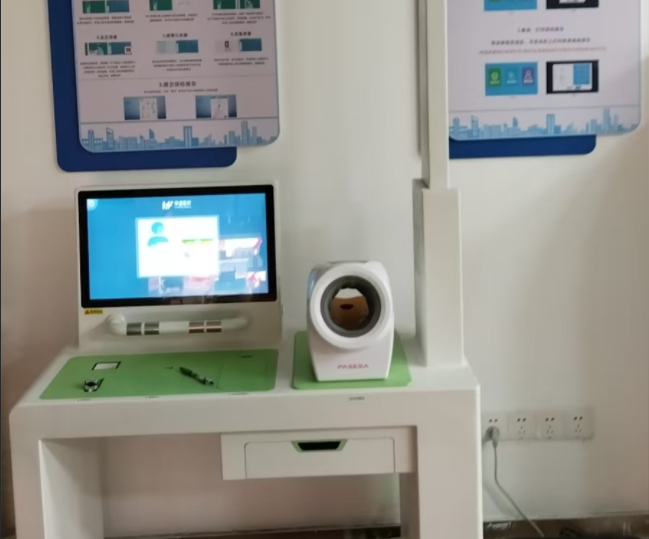
Furthermore, the widespread adoption of the integrated health management kiosk has also promoted the establishment and improvement of community health records. Through the kiosk, residents' test data can be uploaded to the community health management platform in real time, forming a complete personal health record. This not only facilitates community doctors in tracking and managing residents' health status but also provides valuable data support for public health decision-making. When a cluster of health problems occurs in the community, the data collected by the integrated health management kiosk can help health departments to promptly identify and implement corresponding prevention and control measures.
Integrated health management kiosks also play a vital role in chronic disease management. For patients with chronic diseases such as hypertension and diabetes, regular monitoring of indicators like blood pressure and blood sugar is crucial for controlling their condition. These kiosks allow patients to undergo testing anytime in the community and provide the data to doctors, who can then adjust treatment plans accordingly. This model not only improves the efficiency of chronic disease management but also reduces the burden of medical expenses for patients.
In public health emergencies, integrated health management kiosks also play a vital role. For example, during an epidemic, these kiosks can quickly conduct temperature checks and basic health indicator screenings for residents, helping communities to promptly identify potential health risks and providing strong support for epidemic prevention and control.
The widespread adoption of integrated health management machines reflects a shift in modern health management concepts. Traditional health management often focuses on "treatment after illness," while modern health management emphasizes "prevention first." By providing convenient testing and health guidance services, these machines enable residents to detect health problems earlier, facilitating early prevention and intervention, thereby reducing disease incidence.
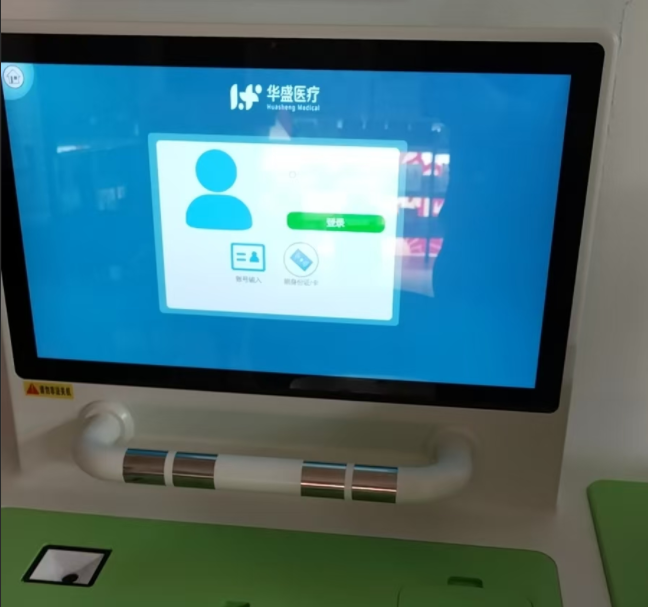
For special groups in the community, such as the elderly and children, integrated health management machines offer unique benefits. The elderly can regularly monitor their health and promptly identify potential health issues; parents can bring their children to the community center to have their growth and development indicators checked and understand their children's health status.
The emergence of integrated health management machines has made health management no longer an unattainable goal, but rather an integral part of residents' daily lives. With its convenience, efficiency, and personalized features, it provides comprehensive health services to community residents, promoting the widespread adoption of modern health management in communities. It is believed that with continuous technological advancements, integrated health management machines will play an even more important role in community health management, safeguarding the health of residents.
Categories
Latest News
- Integrated Health Machine: Reshaping the Smart Service Ecosystem of TCM Wellness Centers
- Integrated Health Management Kiosk: The Core Engine for Pharmacy Transformation into Smart Health Services
- Blood Bank Self-Check-In Healthcare Medical Kiosks: Innovative Practices and Core Values of Basic Screening
- A New Line of Defense for Campus Health: The Value and Advantages of the Integrated Health Kiosk
- AI Evaluation Self Service Tele-Health & Tele-Medicine Health Kiosk: An Innovative Engine for Insurance Company Marketing and Member Services
Contact Us
Company: Shenzhen Huasheng Medical Technology Co., Ltd.Contact: Miss Wang
Tel: +86 159 8911 4474
WhatsApp 1: +86 177 2472 6642
WhatsApp 2: +86 198 6570 7933
Email: wincywang@hsyil.com
Address: Room 406, Danfeng Technology Building, Building 2, Chaguang Village Industrial Park, Shuguang Community, Xili Street, Nanshan District, Shenzhen
 Tel:
Tel: