Company news
AI Evaluation Self Service Tele-Health & Tele-Medicine Health Kiosk: An Innovative Engine for Insurance Company Marketing and Member Services
Against the backdrop of the deepening implementation of the Healthy China strategy, insurance companies, as key participants in the health ecosystem, are actively exploring digital transformation paths. Tele-Medicine Health Kiosk, as intelligent terminals connecting insurance services with user health, are gradually becoming core tools for insurance companies to optimize marketing models and improve the quality of member services. This intelligent device, integrating multiple health monitoring functions, not only reshapes the way insurance services are delivered but also provides new possibilities for insurance companies to build differentiated competitive advantages.
Health management kiosks demonstrate unique value in insurance company marketing scenarios. Traditional insurance marketing often relies on one-way information transmission from agents, and users' insufficient understanding of their own health status becomes an obstacle to insurance decisions. However, health management kiosks deployed in branch offices or communities can quickly establish user health records through facial recognition, providing more than ten basic monitoring services such as height, weight, blood pressure, blood sugar, and electrocardiogram. After the user completes the monitoring, the device can instantly generate a health assessment report and provide personalized protection recommendations based on the characteristics of the insurance product. This closed-loop model of "monitoring-assessment-recommendation" transforms abstract insurance products into concrete health solutions, effectively lowering the barrier to insurance for users. Pilot data from a mid-sized life insurance company shows that branches equipped with integrated health management machines saw a 37% increase in new policy conversion rates and an average user dwell time that was 2.3 times longer than before.
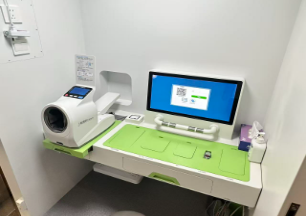
In building a membership benefits system, health management kiosks have become a key tool for insurance companies to enhance user loyalty. Insurance companies can incorporate the testing services of these kiosks into their membership benefits system, with different membership levels enjoying differentiated testing frequencies and depths. For example, diamond members can receive one free in-depth physical examination per month, including arteriosclerosis testing and lung function assessment, while ordinary members can enjoy basic quarterly testing services. This tiered service design not only enhances the attractiveness of the membership system but also helps insurance companies build dynamic health risk assessment models through continuous health data collection. One property insurance company has collected health data from 300,000 members through health management kiosks, and the optimized critical illness insurance pricing model based on this data reduced the loss ratio by 12% while increasing the membership renewal rate to 89%.
The remote monitoring function of health management kiosks further expands the service boundaries of insurance companies. Leveraging IoT technology, the device can synchronize user testing data to a cloud-based health management platform in real time, allowing insurance company health managers to proactively intervene based on data anomalies. For example, when a user's blood pressure is detected to be persistently high, the system will automatically trigger an alert, and the health manager can push personalized health guidance plans via phone or app. This proactive health management service transforms insurance companies from risk bearers to health guardians. After a health insurance company introduced this model, its members' annual medical expenses decreased by an average of 18%, and insurance claims costs decreased accordingly.
The intelligent upgrades of equipment continue to inject new momentum into insurance services. The new generation of health management kiosks integrates AI-assisted diagnostic functions, capable of predicting diabetes risk through fundus image analysis and completing mental health assessments through voice interaction. These advanced functions not only enhance the comprehensiveness of testing but also provide data support for insurance companies to develop innovative insurance products.
Regarding data security and privacy protection, the health management kiosks employ blockchain technology for encrypted storage of health data, allowing users to determine the scope of data usage through an authorization mechanism. This technological design meets the data needs of actuarial science while protecting user privacy rights, setting a compliance benchmark for data application in the industry. The practice of a large insurance group shows that a transparent data management mechanism has increased user acceptance of the health management kiosks to 92%, laying a foundation of trust for data-driven insurance innovation.
In the future, with the iteration of AI algorithms and the advancement of sensing technology, health management kiosks will achieve more accurate health risk prediction and more personalized service recommendations. Insurance companies can leverage the massive amounts of health data accumulated by the devices to develop dynamic pricing models, customized insurance products, and precise health management solutions, driving the industry towards a service model centered on user health. In this deep integration of health management and insurance services, the health management all-in-one machine will undoubtedly play an increasingly important role, becoming the core engine of insurance companies' digital transformation and a key carrier for enhancing user value.
Categories
Latest News
- Integrated Health Machine: Reshaping the Smart Service Ecosystem of TCM Wellness Centers
- Integrated Health Management Kiosk: The Core Engine for Pharmacy Transformation into Smart Health Services
- Blood Bank Self-Check-In Healthcare Medical Kiosks: Innovative Practices and Core Values of Basic Screening
- A New Line of Defense for Campus Health: The Value and Advantages of the Integrated Health Kiosk
- AI Evaluation Self Service Tele-Health & Tele-Medicine Health Kiosk: An Innovative Engine for Insurance Company Marketing and Member Services
Contact Us
Company: Shenzhen Huasheng Medical Technology Co., Ltd.Contact: Miss Wang
Tel: +86 159 8911 4474
WhatsApp 1: +86 177 2472 6642
WhatsApp 2: +86 198 6570 7933
Email: wincywang@hsyil.com
Address: Room 406, Danfeng Technology Building, Building 2, Chaguang Village Industrial Park, Shuguang Community, Xili Street, Nanshan District, Shenzhen
 Tel:
Tel: